Conceivable Life Sciences announced a $50 million Series A funding. The round was led by Advance Venture Partners and targets AURA, an AI-powered automated IVF lab planned for the U.S.
Fertility tech funding signal and market context
If you’re tracking fertility tech, this confirms automation is growing now. The U.S. IVF market has high demand and limited supply. Experts estimate a large amount of unmet demand. IVF cycles cost between $12,000 and $15,000, and insurance coverage is inconsistent.
The round signals automation will increase capacity, improve consistency, and reduce costs at scale, addressing the bottleneck that affects families.
AURA: end-to-end automation for the IVF lab
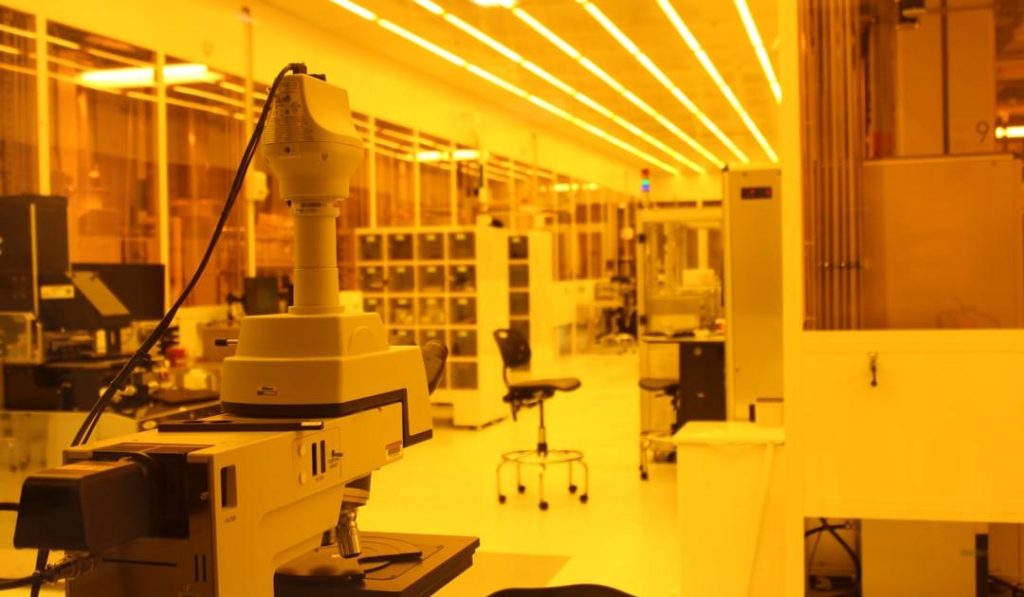
AURA is end-to-end automation for the IVF lab, built to standardize lab steps that historically depend on human labor. We’re talking AI analyzing embryo development, robotic handling of delicate materials, and high-resolution optics tracking growth in real time. The promise isn’t speed; it’s consistency.
Reducing variability and validating outcomes
Variability in lab results from one embryologist to another has long been a problem. Automation tries to reduce this variability. Early data hint that AI-assisted embryo selection could increase live birth rates, though clinicians want more long-term validation. This is normal and prudent, and it will be implemented in real-world rollout.
Tech angle and workflow
From a tech angle, AURA combines AI, robotics, and imaging into a single workflow. The robots perform micrometer-scale embryo handling, the AI models learn from large datasets of embryo images and outcomes, and the imaging monitors quality as embryos develop. This is integrated automation. It is a lab that can scale without requiring proportional headcount growth. That scalability is important for reducing costs in large clinics and for growing access.
Market energetics
The market context isn’t subtle. The U.S. fertility services market was around $4 billion in 2024, with IVF as a major slice. The compound annual growth rate for the field sits in the high single digits to low teens, driven by delayed childbearing and improving tech. Then you add insurance mandates and regional disparities. Massachusetts, Illinois, and New York show higher utilization because of policy levers, but the real unlock is automation pushing through the bottleneck in clinics that can’t hire enough skilled embryologists or can’t scale without breaking the budget. AURA’s rollout targets late 2025 in select U.S. clinics, with broader expansion as data accumulate.
Investment perspective
Investors aren’t throwing money at a medical device. Alex Christ from Advance Venture Partners framed it as an inflection point: the fertility industry can deliver consistent, expandable, and affordable care, within reach for families who need it most. That is the plan: standardize quality, cut labor costs, and increase throughput, while reducing the cost per cycle. Automation could reduce labor costs by roughly 30-40% per cycle, and higher success rates reduce the need for repeated cycles.

Clinical and regulatory path
If you are running a clinic, this represents a path to profitability. Regulatory and practical realities are acknowledged. IVF labs in the U.S. sit under FDA device and lab standards, plus CMS CLIA requirements, with state-by-state variability. Data privacy under HIPAA is critical when AI analyzes patient information.
Premarket and trials
Conceivable will need premarket clearances for any automated devices used in IVF procedures, plus strong clinical evidence to back up claims about outcomes. The team does not claim this is trivial; they are pursuing real-world, compliant scale.
Clinical outlook and industry shifts
On the clinical front, the consensus is clear: automation could reduce human error and bring an objective lens to embryo viability. You don’t get a green light from the field by shouting “robot good.” You win with data, trials, and transparent validation. Expect ongoing trials and published results as clinics start using AURA. The industry is moving toward partnerships between fertility clinics and tech firms to weave digital health into daily lab work, and Conceivable is at the center of that shift.
Roadmap and expansion
Looking ahead, Conceivable isn’t stopping at ‘proof of concept.’ The plan is commercial rollout in late 2025, followed by ongoing refinement of automation capabilities and AI models. An international expansion could bbe on the horizon after solid U.S. adoption.
Slide into my DMs if you need rizz on your pitch. If you’re chasing a snapshot of where fertility tech is headed, this round is the blueprint. No cap.
Risks and market outlook
What about risks? The upfront capital needed to adopt robotic systems is non-trivial for clinics, and the integration work isn’t auto-pilot. Regulation will bite if the tech outpaces validation, and there are ethical questions around AI-driven embryo selection that the field will continue to debate.
Market outlook shows growth: the global IVF automation segment is forecast to grow around 12-15% CAGR over the next five years. Conceivable’s aim is to compete and to change how a fertility lab operates in a modern health system.
$50 million in fresh capital, a plan to scale through automation, and a mission to turn IVF from a costly bottleneck into an expandable population health solution. The timing, the tech, and the team all line up for a shift that could touch millions of lives. If you are watching the money, the science, and the policy converge, this is the alignment you wanted. Focus on AI, focus on automation, and focus on improving access to IVF to reduce bottlenecks.